Fit the reach to the approach
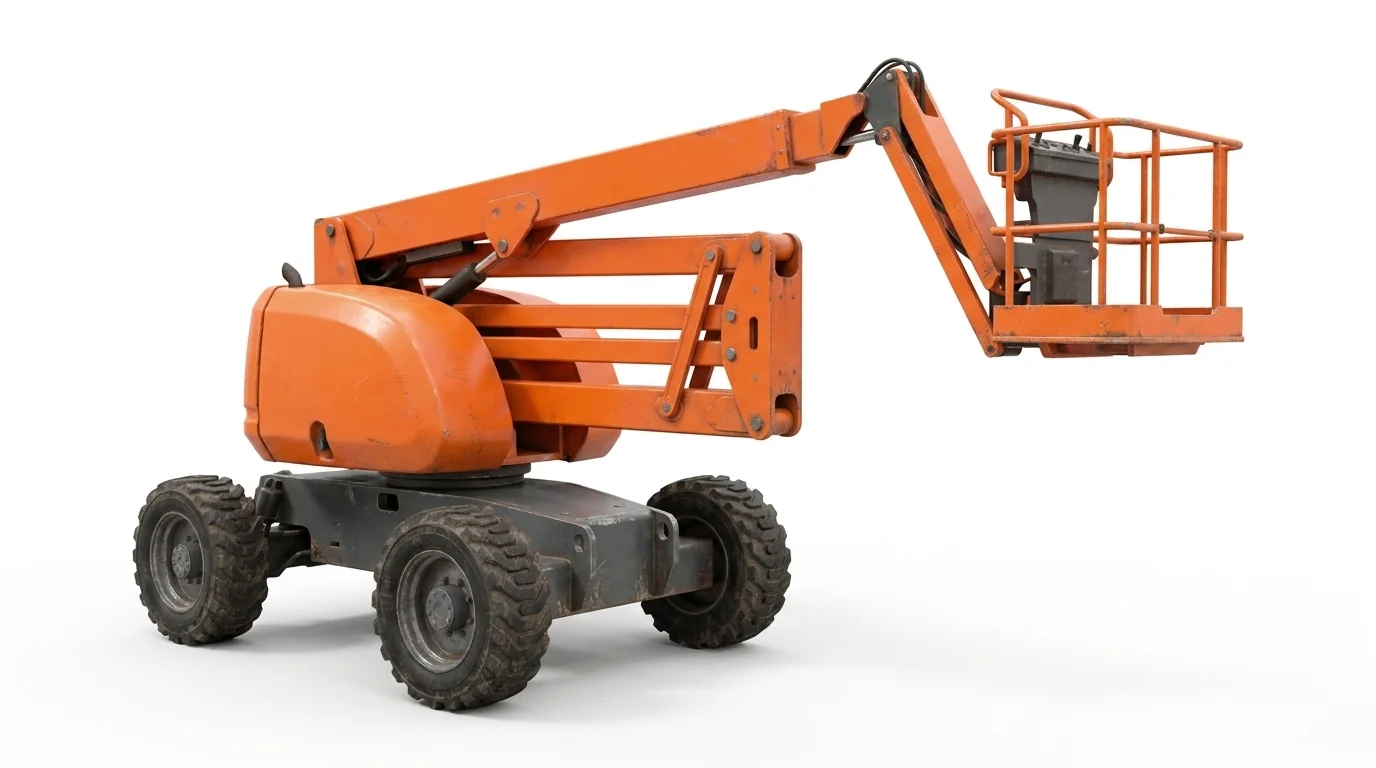
A telescopic boom trades articulation for longer straight reach. It suits tasks where the base can sit back from the structure and still maintain line‑of‑sight to the work. Measure stand‑off distance carefully—fences, ditches, and setbacks along coastal properties can push the machine farther from the target than expected.
Ground and exposure factors
- Surface support: Sandy or recently filled areas can deflect under concentrated loads. Confirm that setup pads, yards, or crane mats (if used per site plan) address the selected unit’s ground bearing needs.
- Wind and weather: Open waterfront areas tend to see persistent breezes. Follow the selected machine’s instructions and site procedures regarding allowable conditions and attachments.
- Salt air: Extended exterior projects benefit from units with protected electrical systems and anti‑corrosion finishes to limit degradation over time.
Access and transport constraints
- Gate and road widths into industrial sites determine stowed width and axle configuration.
- Overhead wires and tree canopies on approach routes may restrict mast or jib clearance in the stowed position.
- Turning radii at laydown yards affect whether the machine can be staged close enough for final placement.
When another category fits better
If the task sits behind ducts or overhangs that block a straight approach, an articulating unit at /articulating-boom-lift-rental/ can reduce setup distance. For slab‑level interior work at distribution buildings, see /electric-scissor-lift-rental/ or the overview at /boom-lift-rental/.
Planning checklist for straight booms
- Required platform height and clear horizontal reach from the base position
- Stand‑off barriers: landscaping berms, retention features, or drainage swales common in coastal sites
- Duration near salt spray that may drive corrosion‑resistant preferences
- Travel path weight limits from delivery point to staging area