Define the work envelope first
- Can the machine sit directly under the task, or do you need outreach? If outreach is required, compare booms at /boom-lift-rental/.
- Measure maximum work height and note any transitions like mezzanine edges or overhead piping runs.
- Map the route: dock doors, elevators, and corridors in local commercial buildings often fix the maximum machine width and height.
Floor and facility constraints common in Charleston
- Slab loading: Elevated floors and older interiors may impose stricter point loads than ground-level warehouse slabs.
- Aisle geometry: Racked aisles and supply corridors can narrow the turning radius, pushing the decision toward compact platforms.
- Environmental exposure: Even “indoor” work in coastal Charleston can include humid, partially open areas; moisture control matters for electrical systems and battery health.
Platform and deck considerations
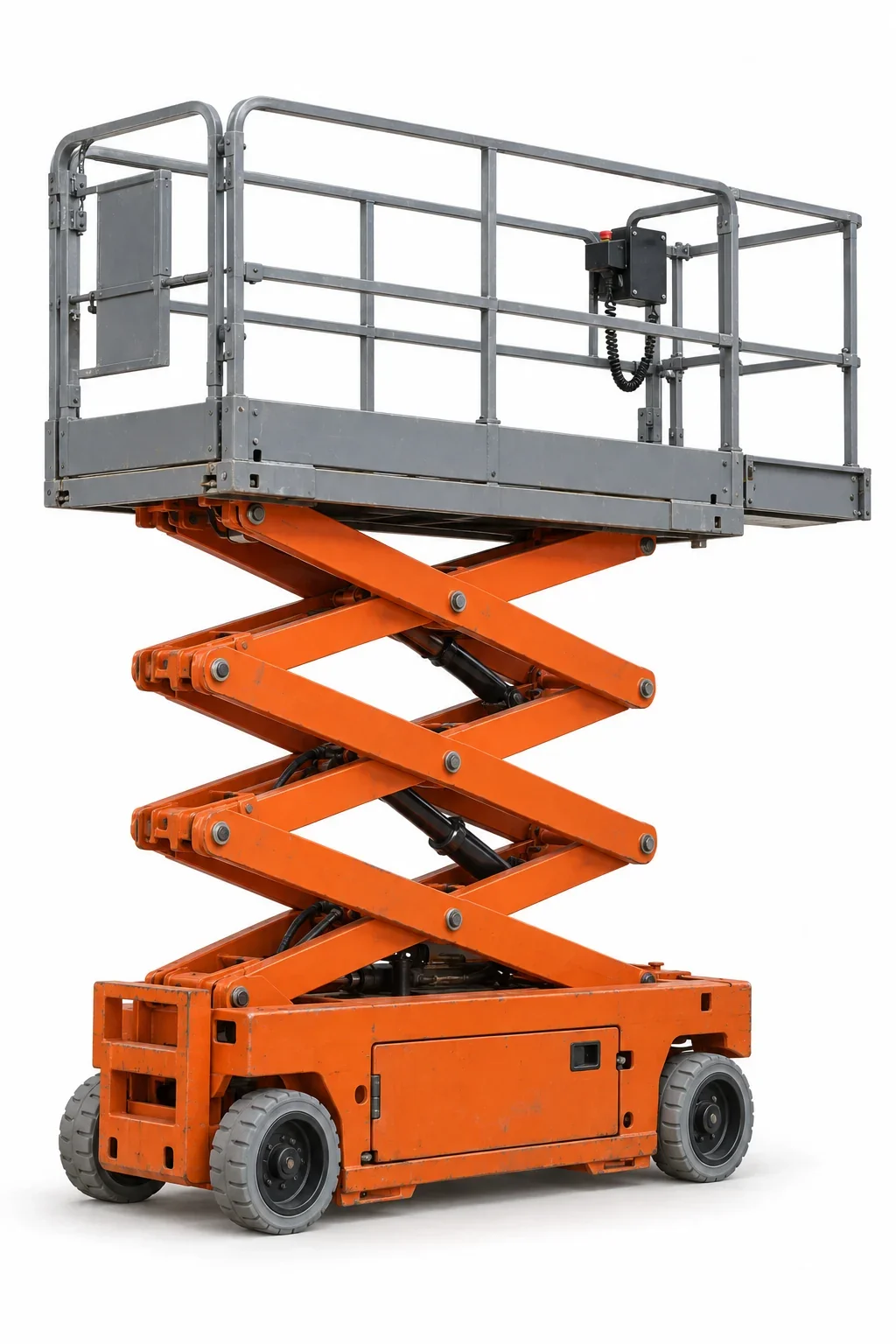
- Narrow platforms navigate tight aisles and service corridors.
- Wider decks improve productivity in open bays but may exceed some doorways.
- Fold-down rails can clear low thresholds and interior roll-up doors.
When to consider a different category
- Need to reach over equipment or duct runs? Review articulating booms at /aerial-lift-rental/.
- Extremely tight spots with low weight limits may suit a vertical mast lift: /vertical-mast-lift-rental/.
Actual conditions, the selected unit’s instructions, and site procedures govern elevated work.