Define the lift before picking a machine
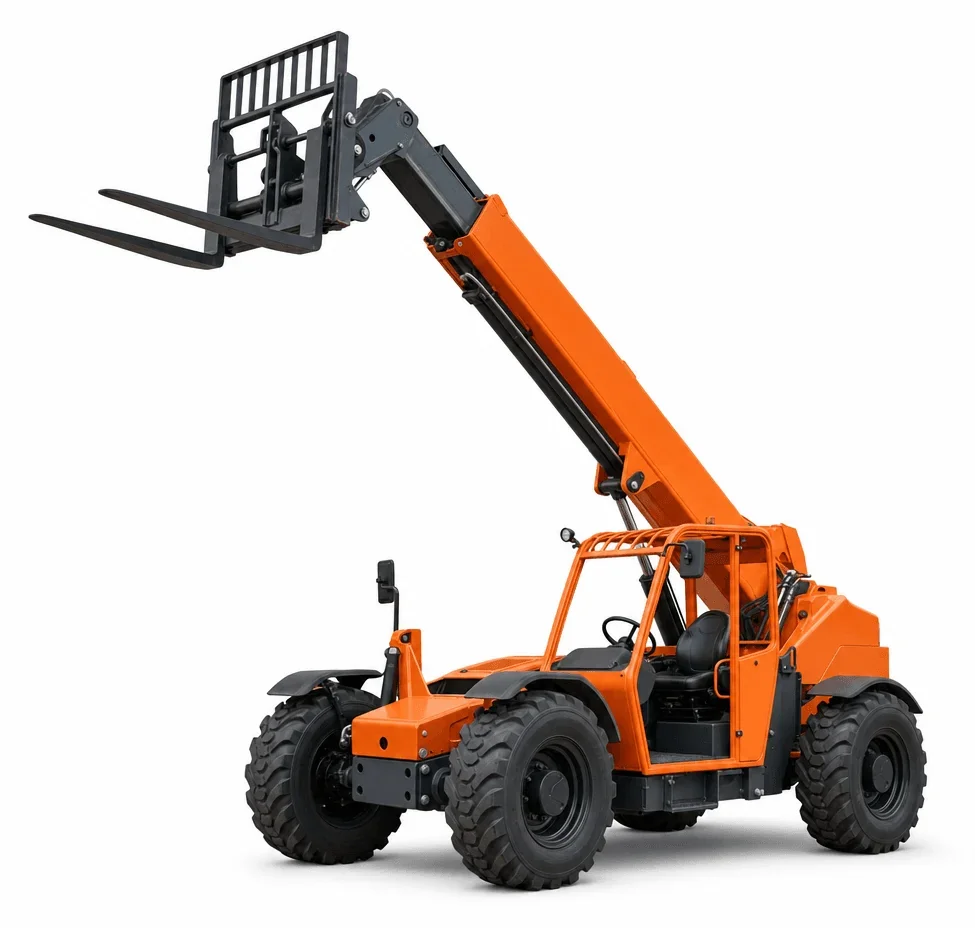
- Load weight and dimensions at the required height and reach determine capacity class.
- Will the machine place over a slab edge, dock wall, or landscaping berm? Setbacks increase reach and reduce allowable load at the tip.
- Measure the narrowest travel point from laydown to placement, including dock doors and interior turns in distribution aisles.
Terrain and ground support
Charleston’s loose coastal soils and high groundwater can reduce bearing capacity, especially on new pads and utility corridors. Plans typically account for compaction levels and may call for rough‑terrain units where ruts or sandy surfaces exist. The selected machine’s instructions and site procedures govern stabilizing methods and limits.
Climate and maintenance outlook
High humidity and salt air accelerate corrosion on connectors, boom sections, and chassis hardware. For multi‑phase builds, corrosion‑aware inspections and weather‑resistant specifications help keep functions reliable across the project timeline.
Visibility and traffic
Busy logistics yards and industrial sites require clear sightlines around pedestrians and vehicles. Stowed dimensions, boom placement at travel, and lighting can influence routing decisions through active work zones.
Related categories
For high‑elevation personnel access instead of palletized loads, compare /telescopic-boom-lift-rental/ or /articulating-boom-lift-rental/. For interior stock handling at floor level, see /forklift-rental/.
Planning checklist
- Confirm rated load at the exact height and reach
- Note approach grade, soft spots, or drainage features along the route
- Verify door and gate widths on the material path
- Consider exposure to salt air during extended exterior staging