Start with access path and work geometry
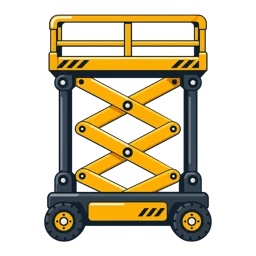
- Straight below the task: Scissor lifts provide vertical access with larger platforms. See /electric-scissor-lift-rental/ for indoor slabs and /rough-terrain-scissor-lift-rental/ for uneven outdoor ground.
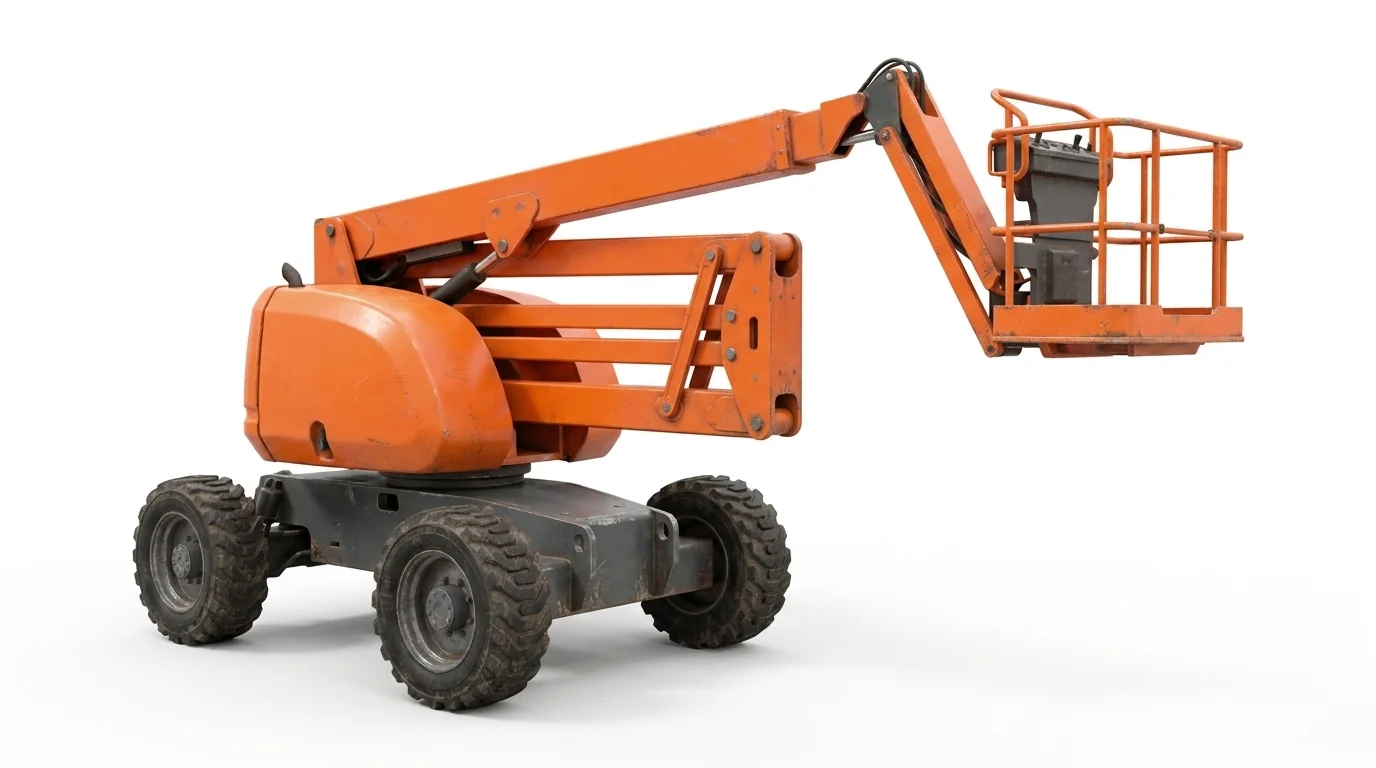
- Up and over an obstruction: Boom lifts provide outreach. Articulating booms negotiate around duct runs and steel; telescopic booms favor long, straight reaches. Learn more at /boom-lift-rental/.
Local factors that change the category
- Coastal soils: Outdoor approaches can be sandy or recently re-graded, favoring rough‑terrain platforms and booms with appropriate traction.
- Humidity and salt air: Corrosion pressures rise on exposed structures and electrical systems, affecting service intervals and unit selection for longer projects.
- Mixed sites: Industrial and medical facilities in Charleston often combine finished interiors with unfinished yards, so transitions between slabs and unpaved areas are common.
Scissor vs. boom tradeoffs
- Platform size: Scissors offer larger working decks; booms trade deck size for horizontal reach.
- Maneuvering: Compact electric scissors fit tight interiors; articulating booms snake around overhead obstacles.
- Surface: Slab units need smooth floors; rough‑terrain options handle uneven ground within rated limits.
When smaller is smarter
For very tight indoor spots with sensitive slabs, a vertical mast lift can minimize weight and width; see /vertical-mast-lift-rental/.
Actual conditions, the selected unit’s instructions, and site procedures govern elevated work.